The Wild West of Journey Management
Why the current state of Service Design feels like a new Gold Rush
By Peter Horvath, Strategy and Service Design Lead
Date: 12 April 2026
Blueprints and Customer Journeys have come a long way, from being paper-based exploration and prototyping tools to the collaborative management tools they are today.
We argue that far from the end of the journey, we are merely getting started. The ways of working with these tools, as well as the roles involved, are just emerging. In fact, the landscape is more similar to the Wild West than to a mature society.
Life on the frontier
Service designers used to labor over intricate customer journey designs. We then struggled to keep the design’s integrity as projects evolved. And finally, while journeys are blueprints meant to be used, they barely made it beyond presentation or becoming a poster. Most often, they remained criminally underused. Shared ownership, the whole point of journeys, remained a dream.
Digital tools that not only create but also manage user journeys are part of the solution. These tools are becoming more common, turning static visual artifacts into dynamic collaborative platforms. But the current state of journey management tools reminds us of the Wild West in many aspects:
- There is a shift from freedom to structure
- Opportunities seem endless
- The current state is a chaotic structure
- Everyone has their own strengths
- Roles are shifting
Let’s explore these interconnected points one by one and find out how they resemble the Wild West.
1. Shift from freedom to structure
Untamed nature characterized the Wild West until roads, towns, and cities appeared. Similarly, the complete freedom to use legacy tools like Figma, PowerPoint, Miro, and Mural, and even Photoshop, has traditionally characterized journey mapping.
But there were many downsides. Limited reusability or portability, frequent single-use journeys (beyond some templates and models), growing complexity, and, of course, visual representation taking prominence over substance – all of these locked in knowledge & information.
Journey mapping tools introduced structure to the mapping process about a decade ago. This meant more limitations, but also the promise of more value. The invested effort started shifting from creating the map (output) to working with the map (outcome). And as journey became working documents, the opportunities seemed endless.
2. Opportunities seem endless
In the Wild West, opportunity awaited everywhere. You could get your own land just by claiming it. Or you could dig for gold to try to get rich quick. Or opt for a steady income by selling picks and shovels to people digging for gold. And the list goes on.
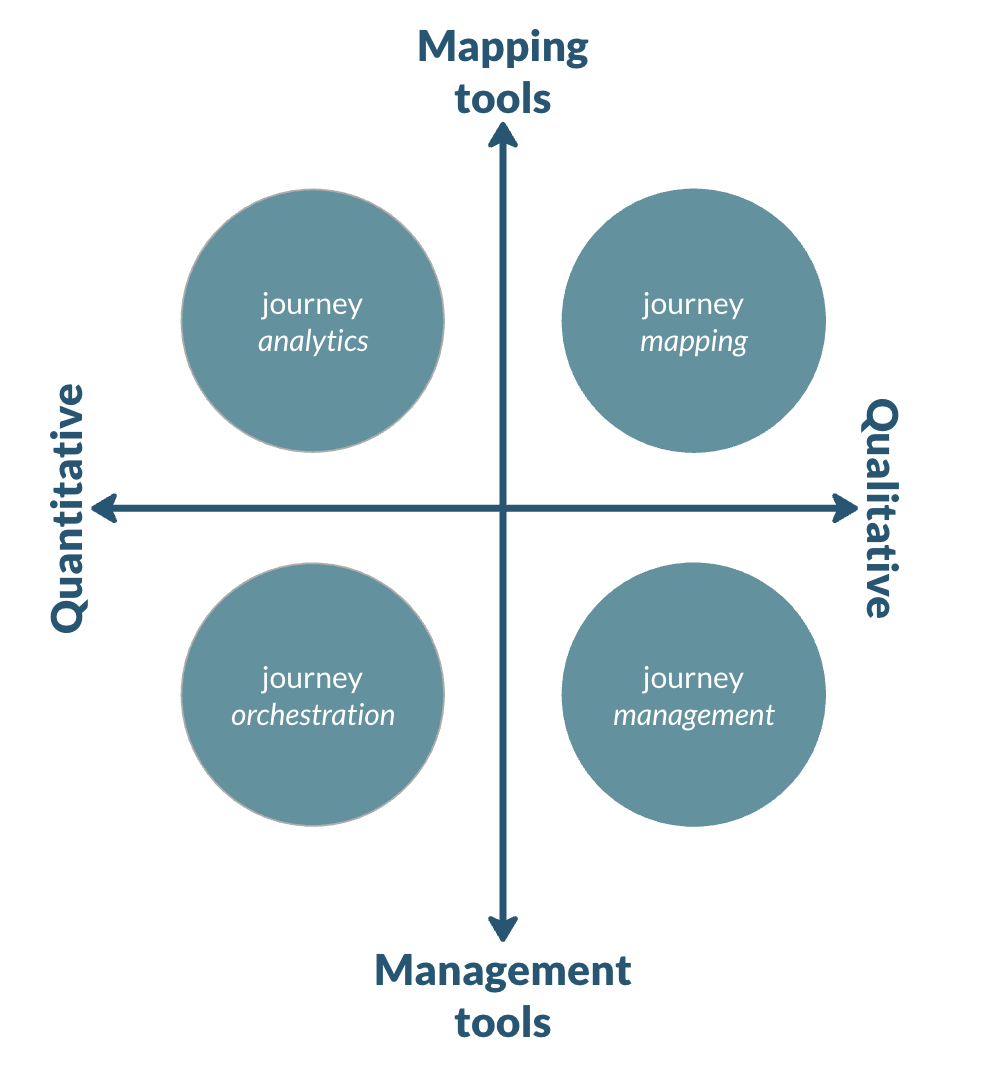
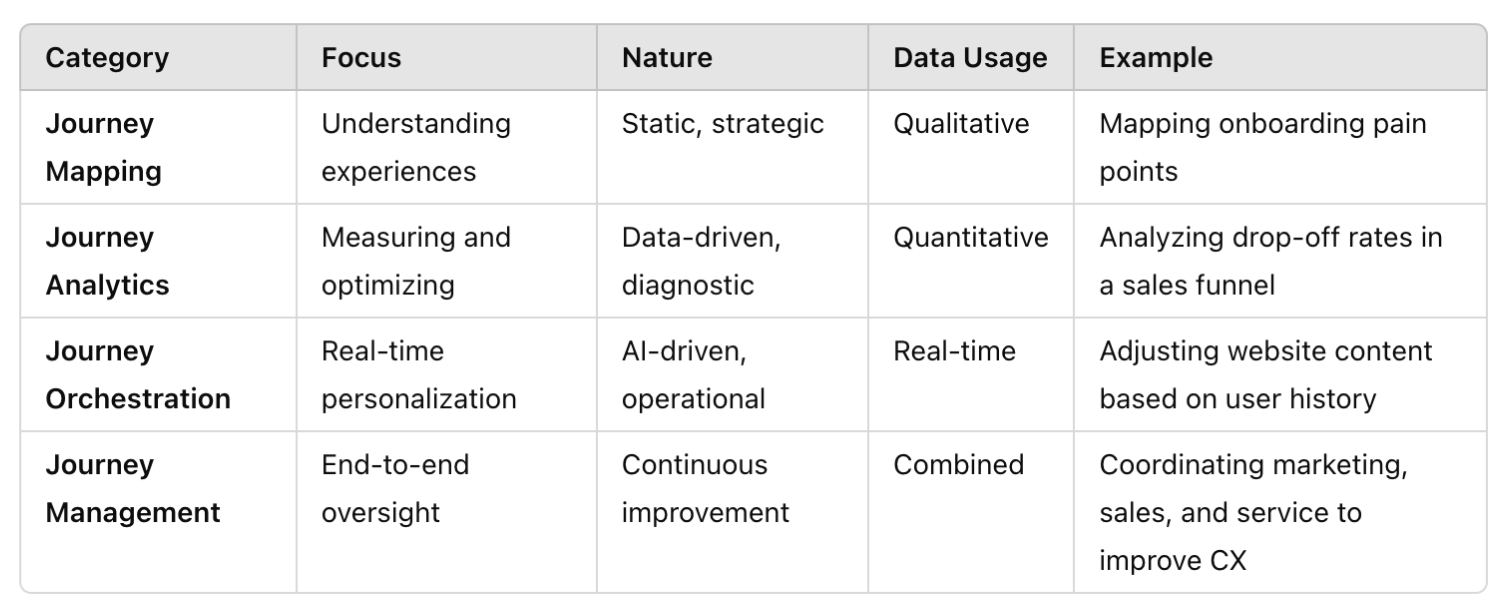
Similarly, the world of journey tools is no less versatile. You will find different categories of journey tools on the market, the main types being:
- Journey mapping: Aggregating and visualizing information using personas, pains, insights, and proposals. See Smaply or UXPressia.
- Journey analytics: transaction-focused user flows and funnels informed by real-time data, usually focused on sales. See Adobe Analytics, or Funnelytics.
- Journey orchestration: real-time, personalized updates to digital properties (offer, content, CTA, etc.) based on past actions & value of individual users. Usually focused on marketing. See Adobe Experience Platform or Salesforce Marketing Cloud Engagement.
- Journey management: organization-wide, user-centered project management and collaboration. See JourneyTrack, TheyDo, or Cemantica.
The downside of this versatility is the rise of some market chaos.
3. Today’s chaotic structure
The Wild West relied heavily on unwritten law, and lawlessness remained prevalent. Similarly, the logic of different journey tools varies widely. While the tool ecosystem has notably matured, we are not yet in a phase of convergence.
One contributor to a bit of chaos among journey tools is that price differences are staggering. Pricing seems to be audience-based rather than cost- or functionality-based. Even the more closely related categories, mapping tools and management tools, can show a drastic, 240x difference in cost (not a typo!).
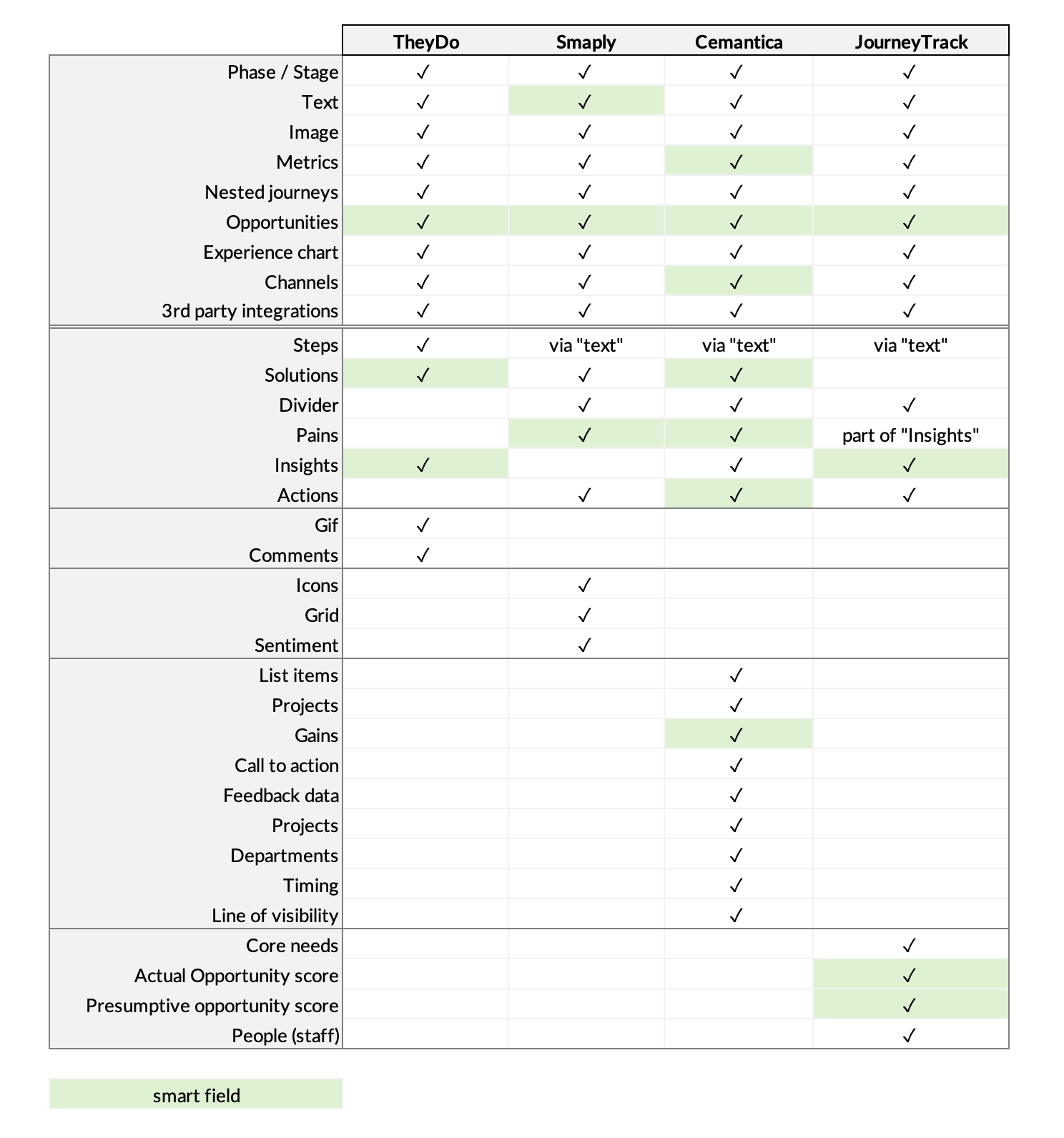
The other contributor to the chaos is the lack of a consistent logic. We looked at Smaply, TheyDo, Cemantica, and JourneyTrack in detail and found differences in operating logic, nomenclature, and functionality. A few examples:
- Main elements of Journeys are called “stages” in some, and “phases” in other tools
- While there are over 30 different types of swimlanes across the tool, less than a third of these are common across all tools, and over a third exist only in one of the tools
- Smaply and Cemantica handle “Pains” as a specific field type. But TheyDo and JourneyTrack handle it as a type of the “Insight” field type.
- Insights (complex summaries of different types of information) are a well-established concept in design. Yet TheyDo and JourneyTrack handle them as just Pains, Gains, or Needs.
- Most tools have “smart field types", complex fields that allow adding metadata such as tags, values, and linkages. But none of the smart field types are shared across all 4 tools.
This means that even if you are proficient at one tool, another one will take getting used to. And each tool will shape your process to some degree. But this also means that each tool has its own strengths.
4. Everyone has their own strengths
The Wild West had its main roles, including cowboys, lawmen, settlers, builders, and many others, each with their own strengths. They often collaborated, had their quarrels, but they were all needed.
Similarly, the various types of journey tools also have their own strengths. But organizations will usually only work with one tool, meaning you can’t get the ideal combination of tools as the Wild West featured. Below are some of our favorite features, though not exhaustive. (You can find a complete analysis in the Forrester Wave report.)
Fortunately, journey tools evolve quickly, so they will learn from each other’s good practices.
Similarities across tools
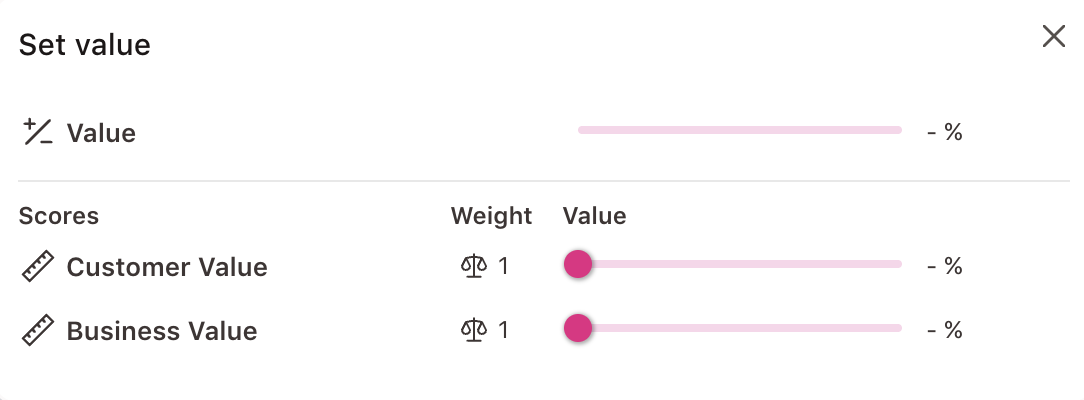
While different in many ways, both TheyDo and JourneyTrack separate “customer value” and “business value” of “Solutions” and “Recommendations”.

Many parameters
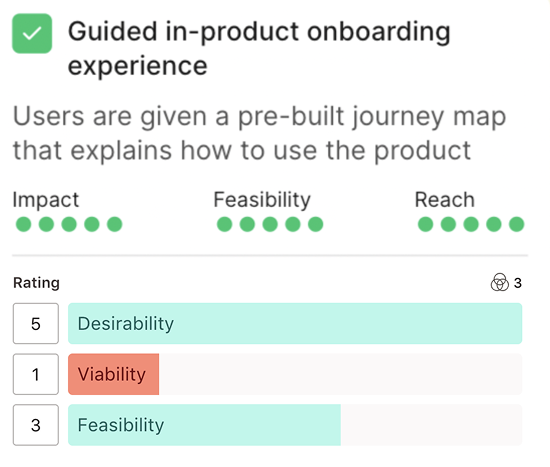
Smaply’s “Solution” swim lane cards have “impact”, “feasibility”, and “reach” scores, but also “desirability”, “viability”, and “feasibility” scores.
Good use of AI
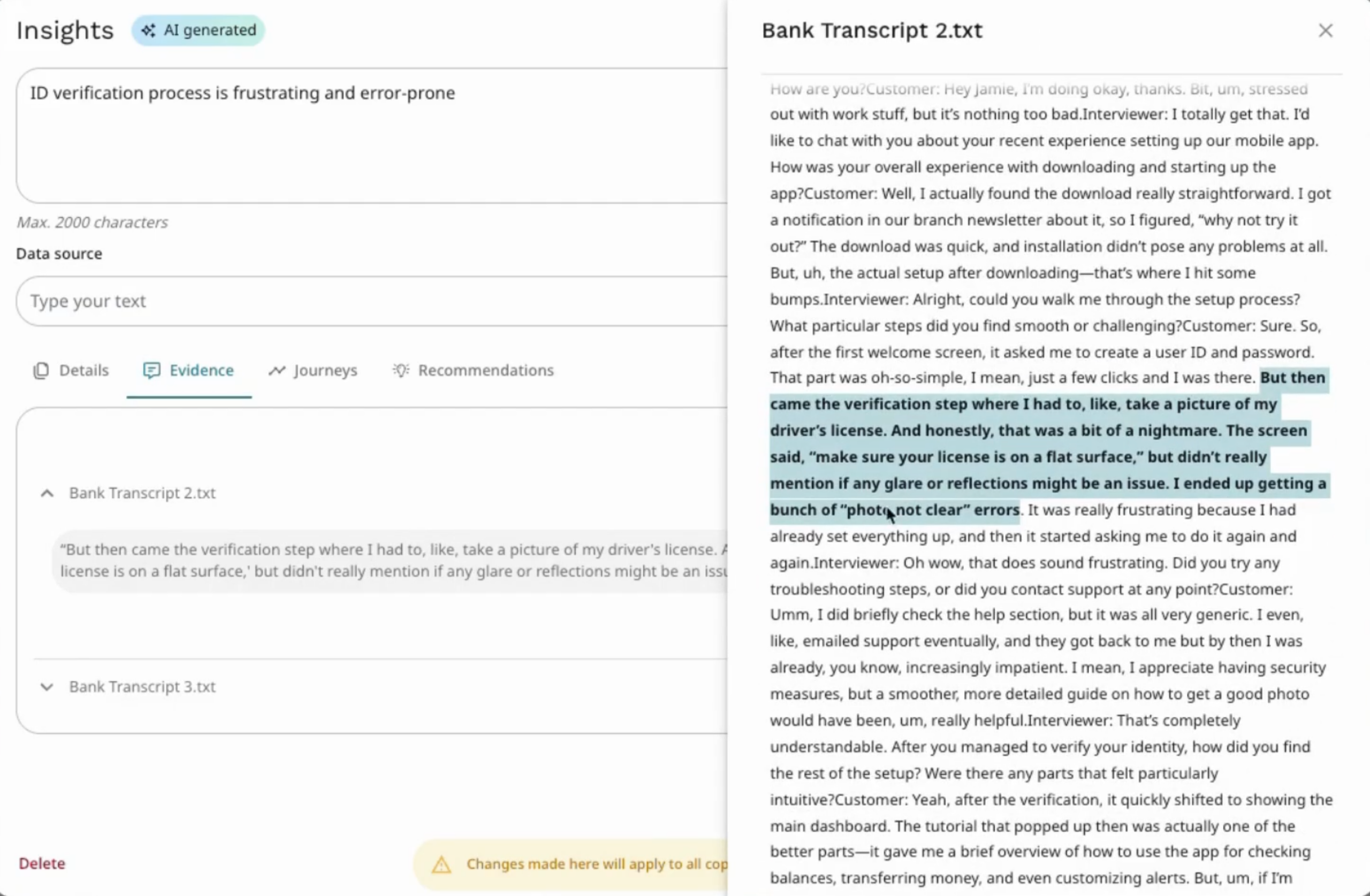
All tools have some type of AI functionality, but JourneyTrack’s “add insights” stands out. It allows users to upload files (such as interview transcripts) for AI to extract insights from. What’s great is that sections of the uploaded document are highlighted as the source of the insights, making them easy to verify and fine-tune.
Beyond journeys
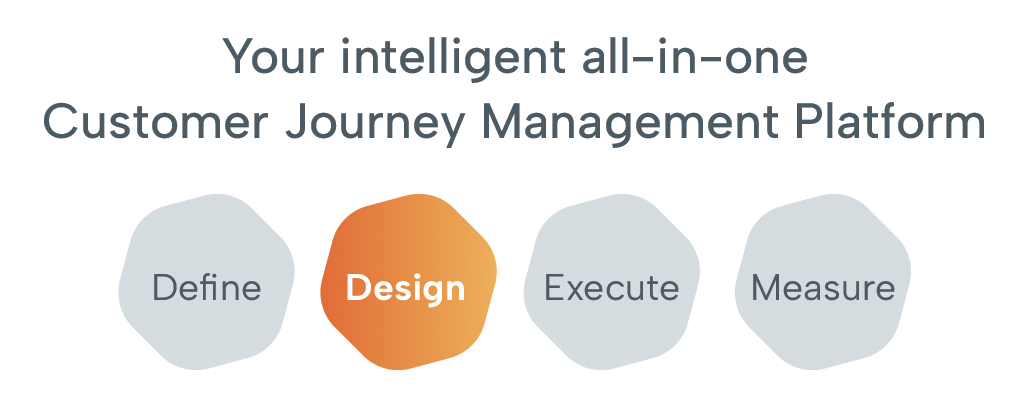
While most venture beyond simple maps, arguably Cemantica offers the most complex package. The Define, Execute, and Measure sections of the app are more than simple add-ons and are on par in complexity with the journey design itself.
Linking journeys
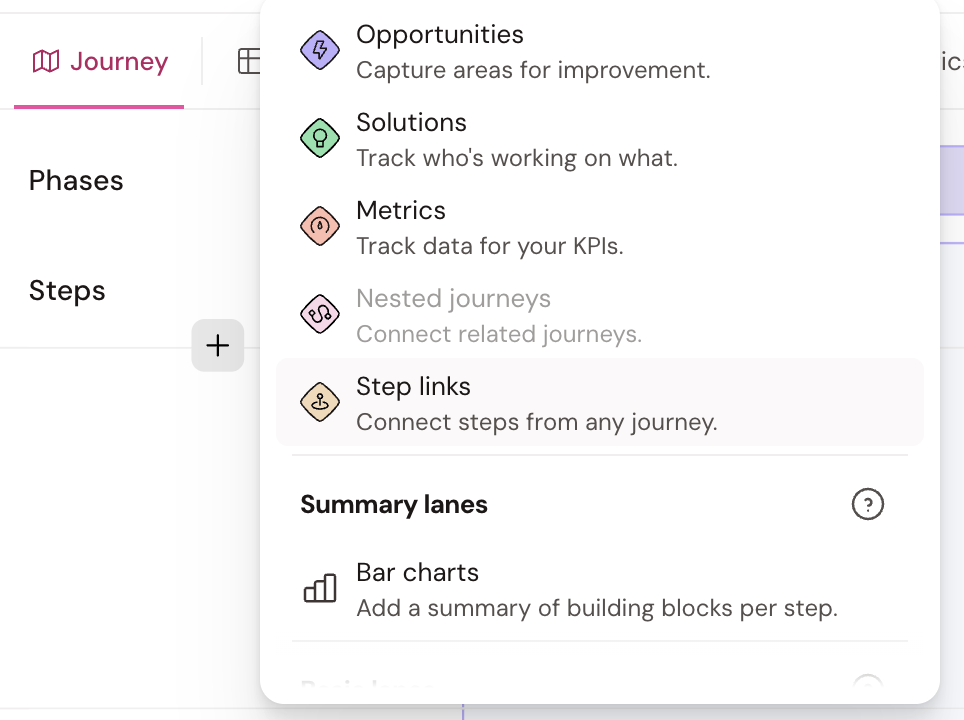
All tools offer “nested journeys”, where you can embed a journey into another journey. But TheyDo takes this to the next level by allowing users to link an individual Step from one journey to another. These tools allow you to link almost anything to everything, e.g., opportunities to journeys, other opportunities, solutions, insights, etc.
Embedded journeys
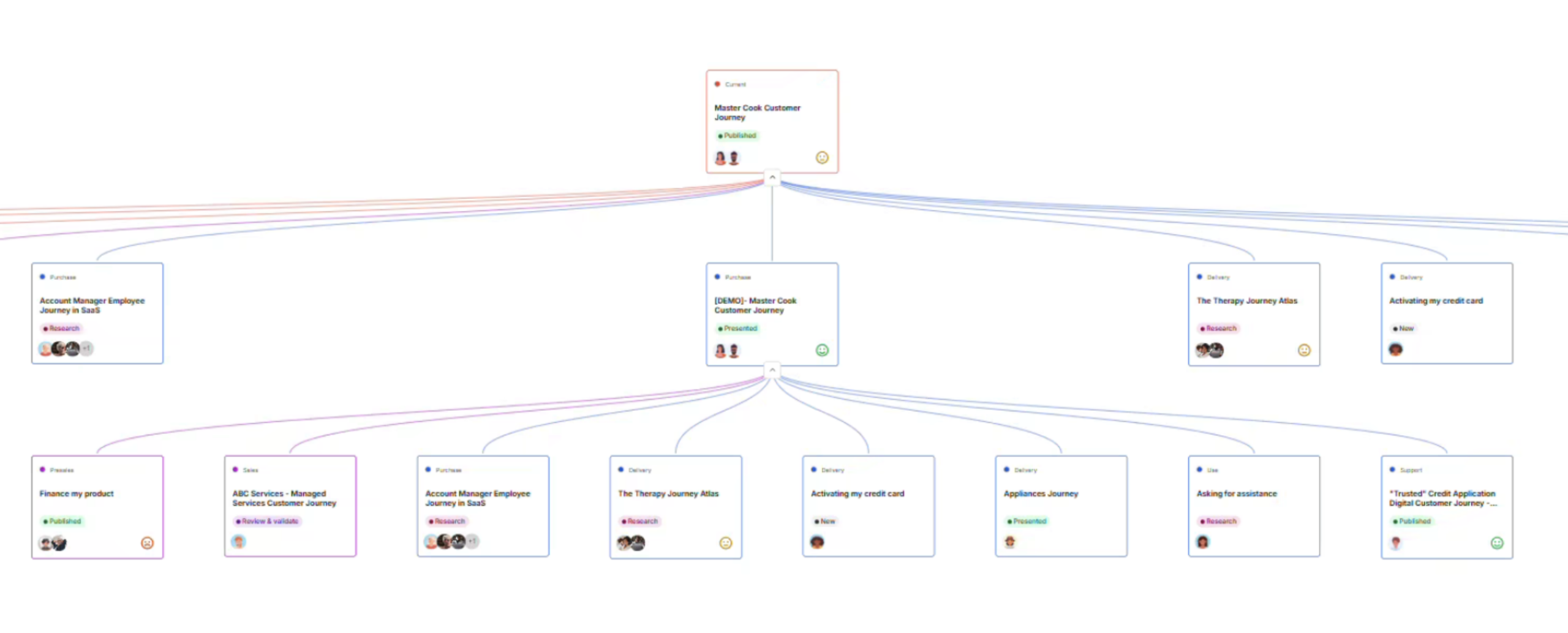
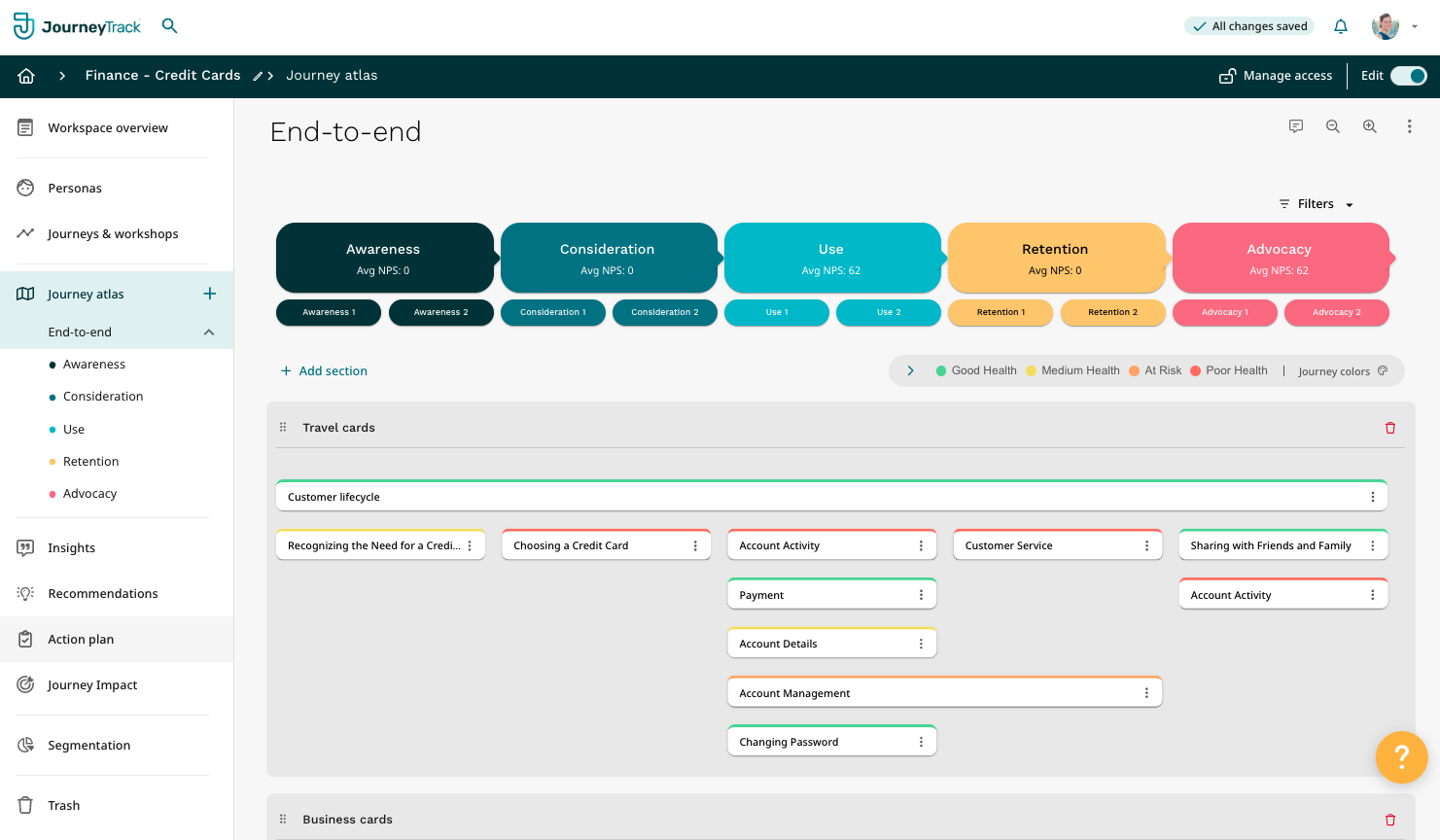
Most tools enable embedded journeys, following the JourneyOps concept. Cemantica visualizes it in a unique visual way, emphasizing the multiple levels of embeddedness. JourneyTrack does a good job of visualizing macro and micro stages and combining journeys into what they call a “Journey atlas.”
Boardroom-ready visualizations
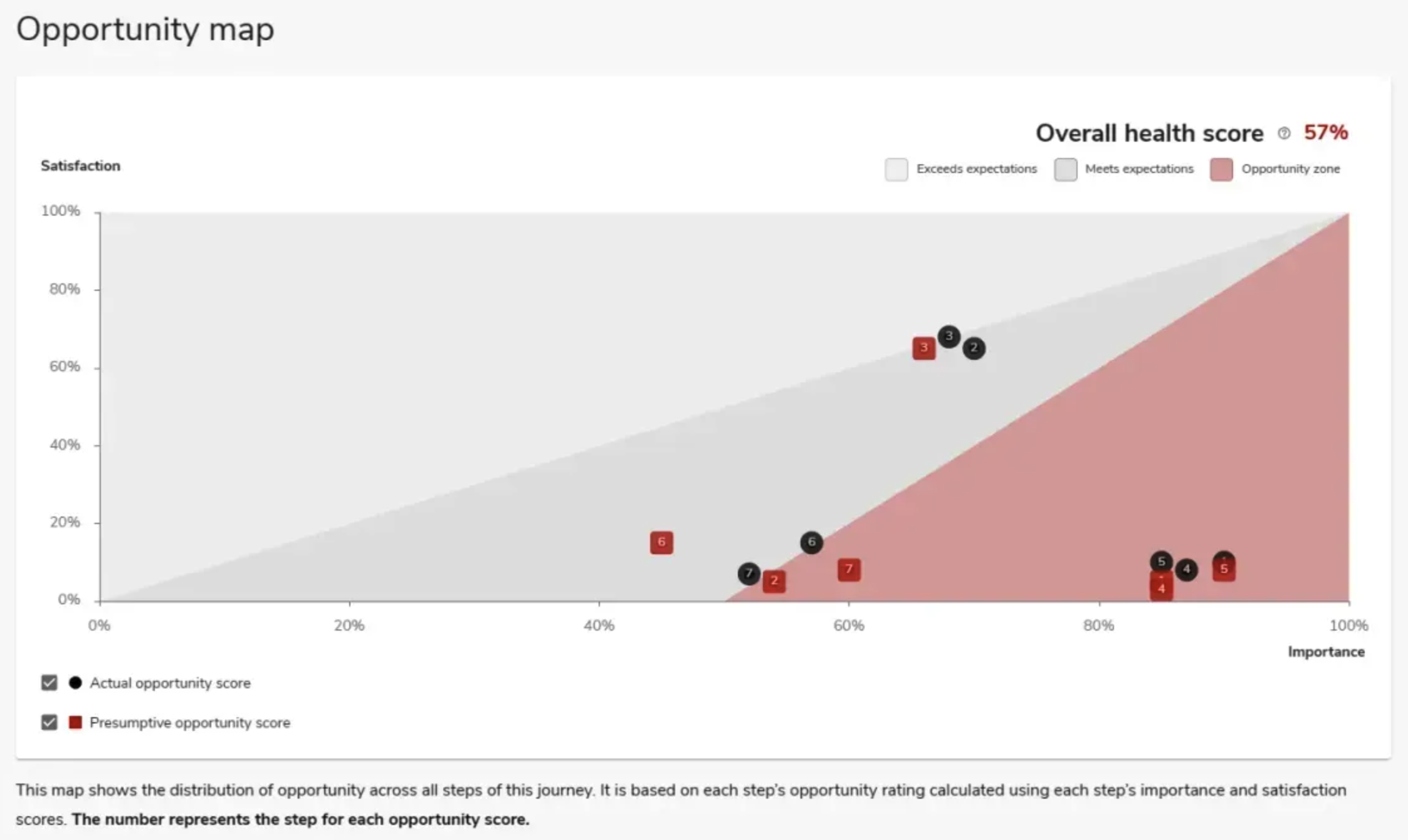
JourneyTrack and TheyDo offer various ways to visualize, making parts of hard-to-consume journeys understandable at a glance, such as in their opportunity map, which is informed by various opportunity scores across the journey.
Journey routes
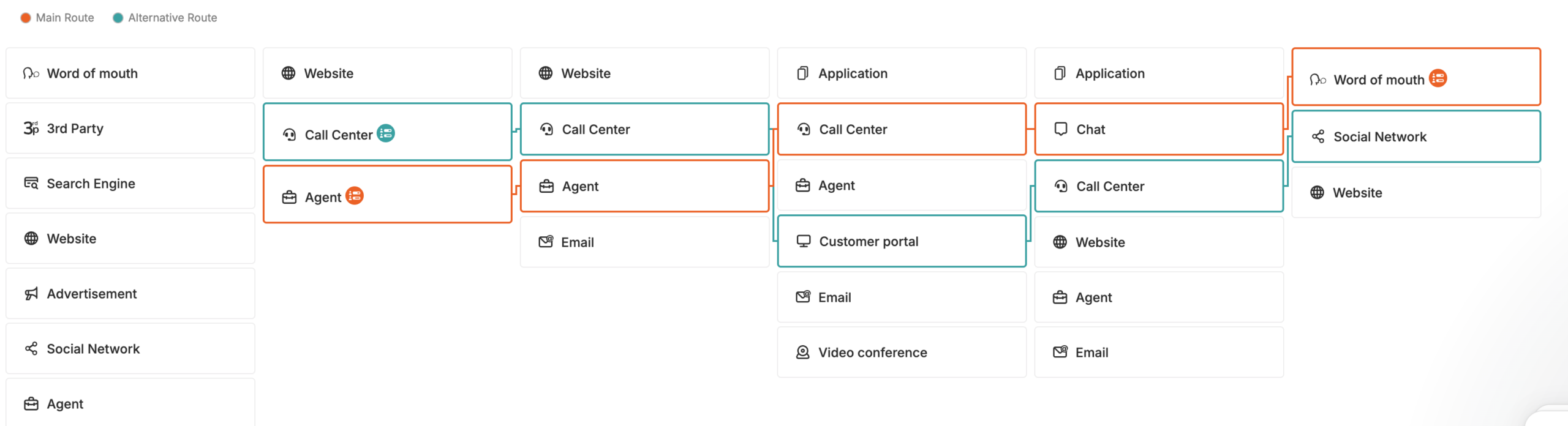
Cemantica handles Main routes and Alternative routes within journeys.
5. Roles are shifting
Historically, diverse Indigenous nations maintained sovereignty over Western lands through complex agricultural and nomadic systems until they were systematically displaced by U.S. federal policy, military force, and waves of Euro-American settlement. This frontier era—characterized by resource extraction and a blend of legal ambiguity and localized violence—was eventually transformed. The expansion of the federal government, the arrival of the railroad, and the institutionalization of statehood replaced the transient dynamics of the frontier with a structured society governed by formal legal and economic systems.
Similarly, journey tools are also shaping the landscape of today's professions.
One aspect is the agency vs corporate divide. Journeys used to be a go-to tool for agencies to distill findings or proposals into a succinct yet human-centered format. But it is corporations that can make the most of today’s journey management tools, due to their scale, price tag, and the way they link research, design, and execution across projects.
The other aspect is regarding roles within organizations. Static journeys used to have a creator and an audience. But with dynamic journey tools, two new roles will arise: the user and the manager.
- The user role is a natural evolution of the traditional ‘audience’. Journeys become living documents closely connected to execution, with people across different departments actively using them as a daily tool rather than only consuming them during presentations.
- As journeys become increasingly collaborative and share ownership, a manager role needs to emerge. Who will fill this role is still an open question. Some experience and service designers specialize in journey management roles. In response to them, some PMs’ or BAs’ responsibilities are expanding to include journey tool management as well. And a whole new type of person may arise, wielding quantitative data and qualitative insights with equal ease. The new role requires a mindset shift and a blend of capabilities from multiple worlds.
Just as the Wild West transformed settlers into a new nation, journey tools will transform the people who use them.
The promise of a grand future
Settlers came to the Wild West for freedom and opportunity, a better future for themselves. Similarly, the general shift from static visual journeys to dynamic collaborative tools is the right direction for any organization.
Journey tools should be a building block of a more human-centered operational culture. And traditional journeys can still have their place – just as design systems still leave room for creativity and original design. There can still be a place for unique solutions, e.g., when creating a journey for a future vision, and you can still use storytelling to present your journeys. For example, we recently created storytelling videos using subsets of the information already captured in a journey management tool.

How do we at Whitespace expect journey tools, especially journey management tools, to evolve in a preferred future?
- Interoperability and standards
Portability of journeys across tools would facilitate switching between and combining tools and introduce much-needed consistency for wider adoption. - Feature combination
Bringing together the qualitative aspects of Mapping tools, the continuity provided by Journey Management tools, the quantitative aspects of Journey Analytics tools, and the real-world/real-time aspect of Journey Orchestration tools. - AI where you really need it
Many current tools offer the ability to build Personas with AI. In our view, this is a misplaced effort. Fundamental elements of journeys (such as Personas) need to be thoroughly researched and constructed. But AI can be immensely valuable for summarizing and storytelling. - Summaries & storytelling
Digesting a robust journey is no small effort. Tools don't yet allow quick, easy summarization of a single journey for senior stakeholders. Seamless creation of meaningful macro-journeys or journey summaries is a much-needed addition. But the icing on the cake would be creating engaging narratives, such as short movies, that convey information through a combination of narration, dialogue, props, scenery, and atmosphere. - Multiple visualization options
Mature journey management tools handle some elements of a journey (e.g., pain points, insights, proposals) in a modular way. By infusing more journey elements with metadata (e.g., importance, value, cost), many visualization options open up, such as matrix, prioritized list, and heatmap views. These are perfect for presenting journey information to senior stakeholders.
If you have been thinking about getting started with journey tools, here’s what we propose you can do today:
- Research the field (reading this article is a great first step!) and request demos from as many vendors as possible to get a better sense.
- Start using a tool (or even multiple tools) this week – no excuses. Pick a pilot project or rebuild one of your past static journeys with a dynamic tool of your choice. Most important outcome: create a clear list of journey tool requirements for your company.
- As much as possible, partner with the company behind the tool you use by informing them of your needs, offering suggestions, and submitting feature requests.
In closing
As in the Wild West, so too in Journey tools, freedom is giving way to structure; the possibilities of dynamic collaborative tools seem endless, but chaos still contributes to divergence rather than convergence.
As each person in the Wild West had their strengths, so too the individual tools, meaning their feature set will shape the way you work.
And finally, at an individual level: your role. Bottom-up and top-down, peaceful and violent factors all helped shape the protagonists of the Wild West. These factors also influence the future of tool-based journey management roles. So, best be prepared, proactive, and determined if you want to play an active role in it.